
Free underfloor inspection
The inspection and estimate are free, including homes treated by another company.
Termite consultation
The inspection is not intended to frighten you. We review underfloor photos together and separate what is known from what still needs confirmation.
Telephone support is mainly in Japanese. For English, use the form or LINE.
Site inspection and quotations are free.
The inspection and estimate are free, including homes treated by another company.
JPY 1,450/m², before tax.
JPY 1,950/m² and up, before tax.
We show the areas inspected and explain the reason for any proposed work.
The scope, price and possible additional work are explained in writing.
Foundation injection, attic or wall treatment may add work depending on the building.
A certificate is issued according to the completed treatment; scope and term are explained beforehand.
We describe the inspection before entering and bring clean replacement socks.
Check mud tubes, timber, moisture and related areas with light and camera.
Show what was found and distinguish confirmed facts from uncertainty.
Give the required work and cost in writing without requiring an immediate decision.
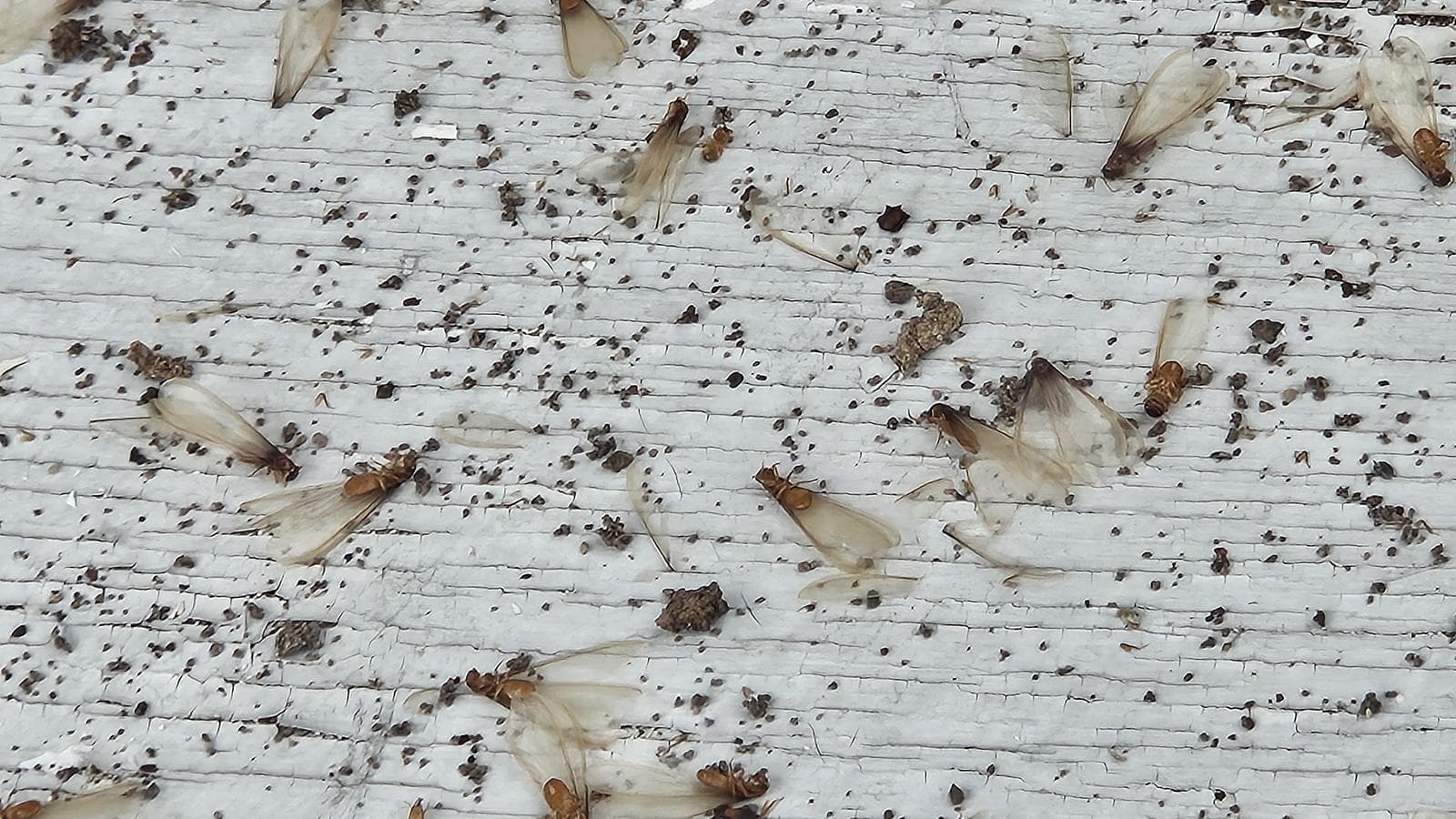
Termites usually have bead-like antennae, a broad waist and four wings of almost equal size. Ants have bent antennae, a narrow waist and larger forewings. A photo helps, but the species is confirmed by inspection.
Antennae, wings and waist are practical clues; do not decide from colour alone.
Yamato termites commonly swarm in daytime in April–May; Formosan termites commonly swarm on evenings in June–July. Weather and region affect timing.
Most termites recycle woody biomass in forests. Treatment is needed when building timber is attacked.
Yamato and Formosan termites are representative building-damaging species in Japan, and their behaviour differs.
The industry association states a five-year efficacy period for approved chemicals. This is a sensible inspection point, not proof that damage starts immediately.
Miyako Building Service was established in March 2000 in Yukuhashi. We photograph the inspected area, explain only confirmed conditions, and issue a warranty document after eligible treatment.
We serve Yukuhashi, Kanda, Miyako, Buzen, Chikujo, Koge, Yoshitomi, Kitakyushu, Tagawa, Iizuka, Munakata, Fukuoka and Nakatsu. Ask us about nearby areas as well.
Winged insects, soft flooring and damaged timber are reasons to inspect, but the species cannot be confirmed from wings alone. Tell us where and when you saw them.
Yes. The underfloor inspection and quotation are free, including homes previously treated by another company.
Prevention is JPY 1,450/m²; treatment starts at JPY 1,950/m², before tax. Any additional building-specific work is explained after inspection.
A warranty document is issued after eligible work. Its scope and term depend on the treatment and are explained with the quotation.
Most live in forests and help decompose wood. Building treatment is needed only when species enter and damage structural timber.
Yes. We visit Nakatsu as well as Yukuhashi, Keichiku and Kitakyushu. Send the address and building condition by phone, LINE or the form.
Payment is by cash or bank transfer. Credit cards, electronic money and QR payments are not currently accepted.
Before deciding on the cause or work needed, compare the pages closest to the signs you have noticed.
Share only the location, timing or photos you can safely confirm. We explain what to check and how pricing is decided before work.
Telephone support is mainly in Japanese. For English, use the form or LINE.